What Is a 3-Phase Generator? How to Choose the Right One
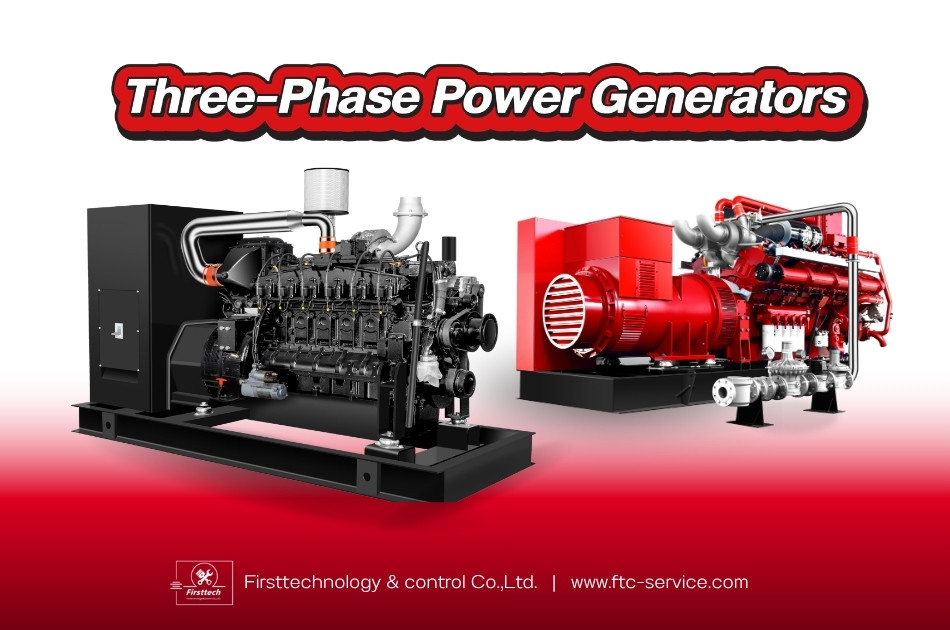
A 3-phase generator is an alternating current (AC) power generation system designed to deliver stable and continuous electrical power at 380–400 volts. Unlike single-phase systems, 3-phase generators use three separate windings that generate electricity simultaneously, allowing them to deliver higher power output and better efficiency.
Because the electrical load is distributed evenly across three phases, power transmission becomes smoother, more stable, and more suitable for heavy-duty industrial applications. This is why most factories, commercial buildings, and large-scale projects rely on 3-phase generators as their primary or backup power source.
Difference Between Single-Phase and 3-Phase Generators
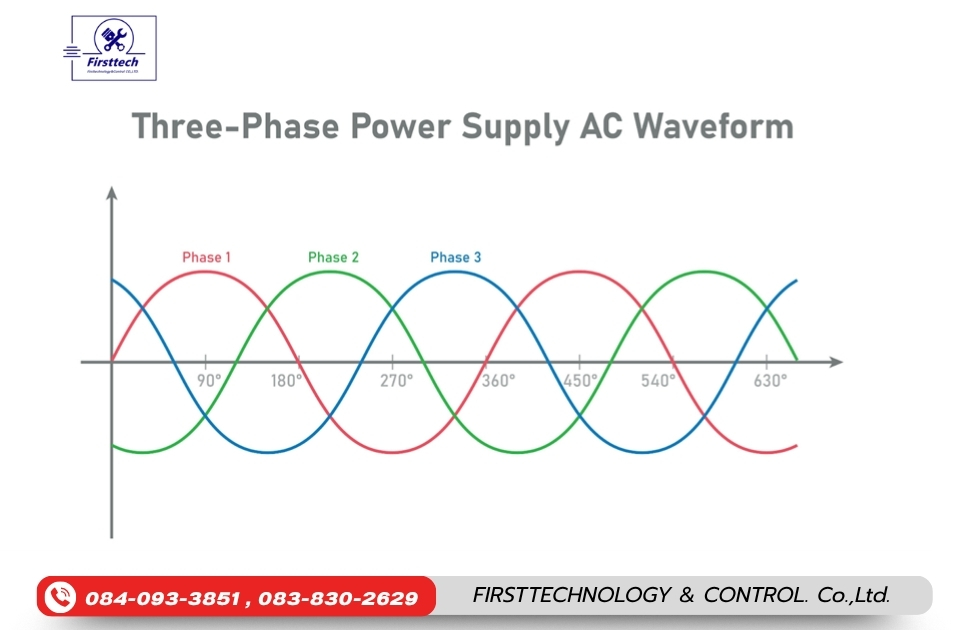
In general, generators are divided into two main categories: single-phase and three-phase systems.
Single-Phase Generator
A single-phase generator typically operates at 220–230 volts with a frequency of 50 Hz. It is commonly used for residential applications and light electrical loads such as household appliances, lighting systems, and small office equipment.
Advantages of Single-Phase Generators
- Easier installation
- Lower installation costs
- Suitable for homes and small businesses
- Ideal for light electrical loads
Limitations
- Lower power capacity
- Less stable for heavy machinery
- Higher long-term operating costs in large-scale applications
Three-Phase Generator
A 3-phase generator operates at 380–400 volts and delivers stronger, more consistent electrical power. It is designed to support high electrical demands and large machinery commonly found in industrial environments.
Because of its stability and efficiency, a three-phase system is widely used in:
- Manufacturing plants
- Commercial buildings
- Hotels
- Shopping malls
- Warehouses
- Construction projects
- Hospitals
Most industrial facilities choose 3-phase electrical systems as the standard because they can handle continuous high-load operations more effectively.
Who Should Use a 3-Phase Generator?
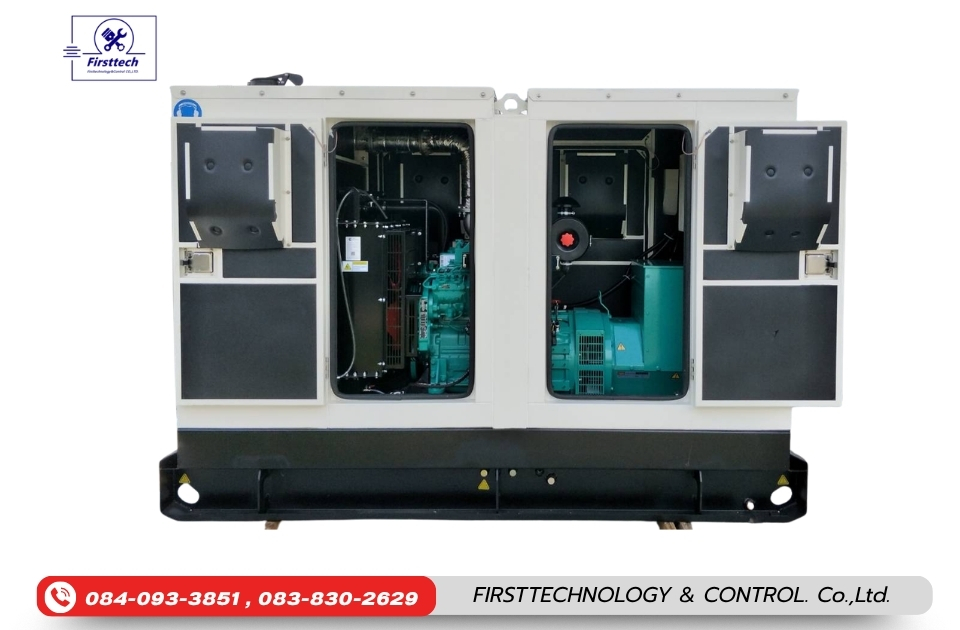
Choosing the right generator size depends on the type of business, power consumption, and operational requirements. Below are the most common generator sizes and their ideal applications.
250 KVA 3-Phase Generator
A 250 KVA generator is suitable for small to medium-sized industrial and commercial operations.
Ideal Applications
- Office buildings
- Small factories
- Warehouses
- Medium-sized hotels
- Commercial facilities
This size is highly popular as a main backup power system because it can support multiple electrical devices and machinery simultaneously while maintaining stable performance.
500 KVA 3-Phase Generator
A 500 KVA generator is designed for heavier electrical loads and environments that require highly stable power systems.
Ideal Applications
- Shopping malls
- Large hotels
- Manufacturing facilities
- Data centers
- Commercial complexes
This generator size is suitable for both:
- Standby Power
- Prime Power Applications
It provides excellent reliability for businesses that cannot afford unexpected downtime.
800 KVA 3-Phase Generator
An 800 KVA generator is considered a heavy industrial power solution built for continuous operation and large-scale electrical demands.
Key Features
- Handles high electrical loads efficiently
- Supports surge loads from large machinery
- Suitable for long-term continuous operation
- Reliable 24/7 performance
Ideal Applications
- Large industrial factories
- Distribution centers
- Infrastructure projects
- Large construction sites
This size is ideal for businesses that require uninterrupted power throughout the day.
1,350 KVA 3-Phase Generator
A 1,350 KVA generator is a high-capacity industrial power solution designed for mission-critical operations where power interruption is unacceptable.
It is commonly integrated with:
- Control Panels
- ATS (Automatic Transfer Switch) systems
- Overload protection systems
- Voltage stabilization systems
Ideal Applications
- Large-scale industrial plants
- Renewable energy facilities
- Major hospitals
- Large shopping malls
- National infrastructure projects
This generator size is often used as either:
- Primary power supply
- Critical backup power system
for facilities operating continuously 24 hours a day.
Comparison Table of 3-Phase Generator Sizes
|
Generator Size |
Suitable For |
Key Advantage |
|---|---|---|
| 250 KVA | Small factories, offices, warehouses | Cost-effective backup power |
| 500 KVA | Hotels, malls, commercial buildings | Stable power for medium-large operations |
| 800 KVA | Heavy industries, construction projects | Continuous high-load performance |
| 1,350 KVA | Hospitals, infrastructure, mega factories | Maximum reliability and large-scale power |
How to Choose the Right 3-Phase Generator
Before purchasing a generator, consider the following factors:
- Calculate Total Electrical Load Determine the total power consumption of all equipment and machinery to avoid undersized or overloaded systems.
- Identify Usage Type Choose whether the generator will be used for Standby Power Prime Power Continuous Power Different applications require different generator capacities and configurations.
- Consider Future Expansion If your business plans to expand operations, selecting a slightly larger generator can help avoid future replacement costs.
- Check Installation Space Large generators require proper ventilation, noise control, and sufficient installation area.
- Choose Reliable Control Systems Features such as ATS systems, voltage protection, and remote monitoring improve operational safety and efficiency.
Conclusion
A 3-phase generator is the preferred power solution for factories, commercial buildings, and industrial operations that require stable and continuous electricity. Compared to single-phase systems, three-phase generators provide higher efficiency, stronger power delivery, and better support for heavy machinery.
Whether you need a 250 KVA backup generator for a small facility or a 1,350 KVA industrial generator for mission-critical operations, choosing the correct size and configuration is essential for long-term performance, safety, and energy efficiency.