What Is a Factory Power Generator and Why Is It Important for Businesses?
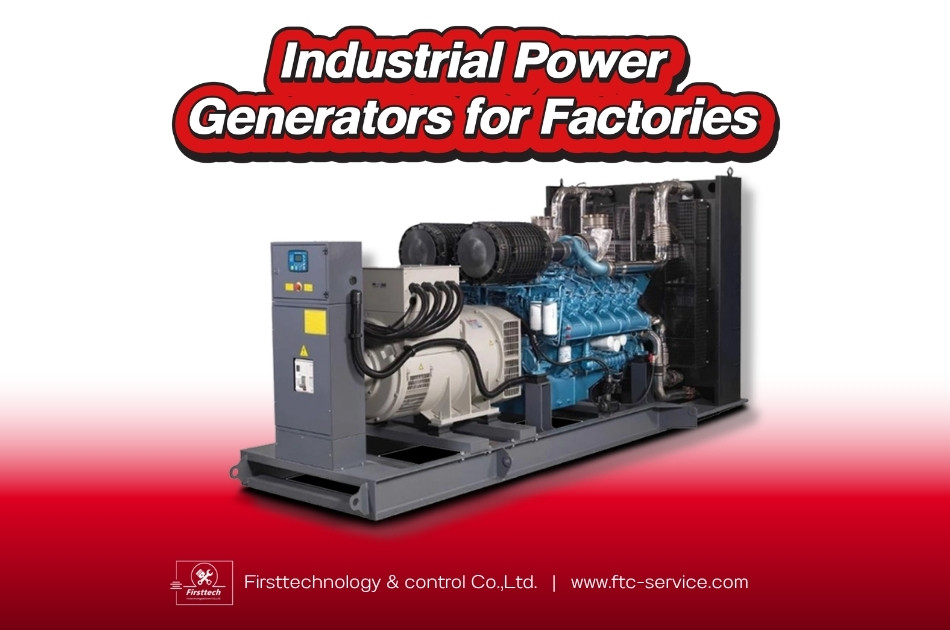
A factory power generator, also known as a power generator or generator set (Gen Set), is a system designed to produce electrical power by converting mechanical energy into electricity through electromagnetic induction. In industrial applications, generators are commonly used as backup power sources to support the main electrical supply or provide emergency electricity during unexpected outages.
In modern manufacturing facilities, uninterrupted power is critical. A sudden blackout or unstable electrical supply can disrupt production lines, damage machinery, and lead to significant financial losses. This is why factory generators play an essential role in maintaining operational stability and business continuity.
Importance of Power Generators in Industrial Factories
- Prevent Production Downtime Without a backup power system, machinery and automated production lines stop immediately during a power outage. Restarting systems can take time and may result in production delays, wasted materials, or defective products.
- Protect Machinery and Control Systems Voltage drops and power surges can damage electronic circuits, motors, and industrial control systems. A generator helps stabilize the power supply and reduces the risk of equipment failure.
- Maintain Safety Systems Critical systems such as fire protection systems, CCTV surveillance, emergency lighting, and warehouse temperature controls require continuous electricity to operate safely and effectively.
- Enhance Business Reliability Factories equipped with reliable backup power systems demonstrate professionalism, operational readiness, and strong safety standards, helping improve customer and partner confidence.
Types of Power Generators Commonly Used in Factories
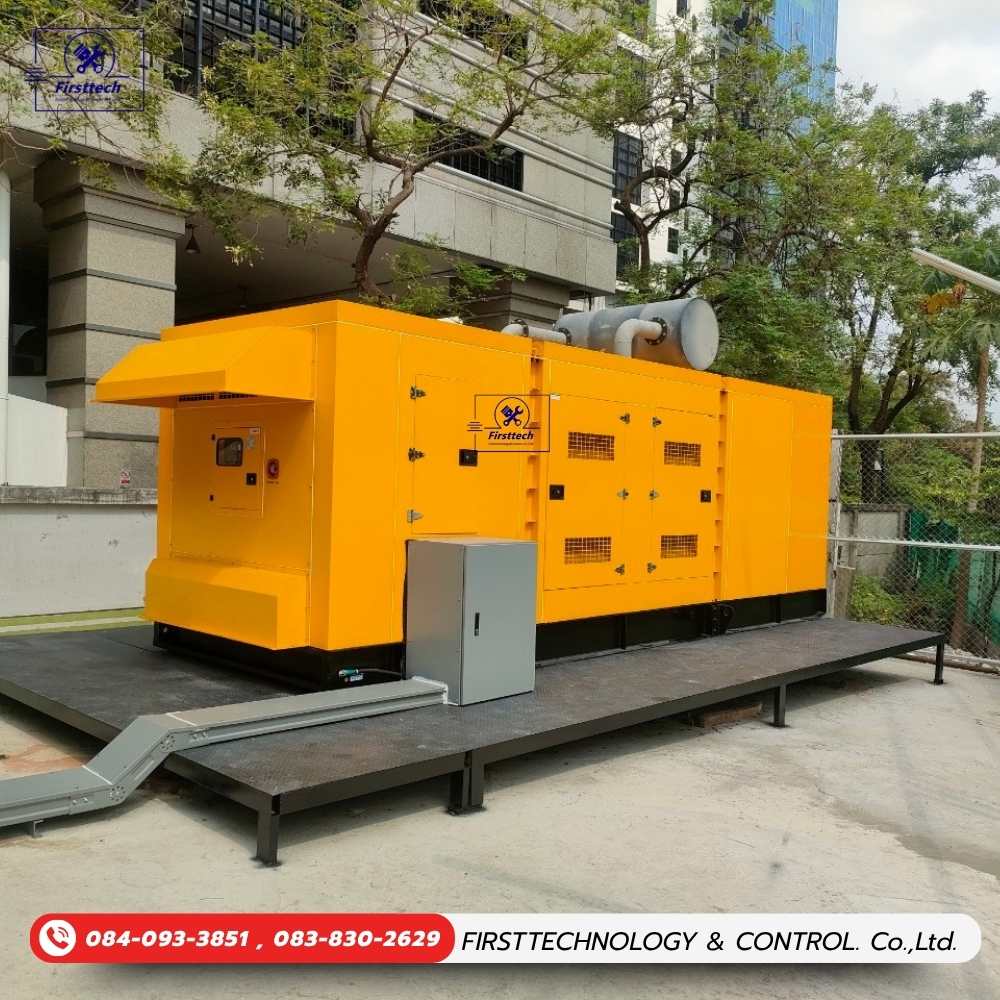
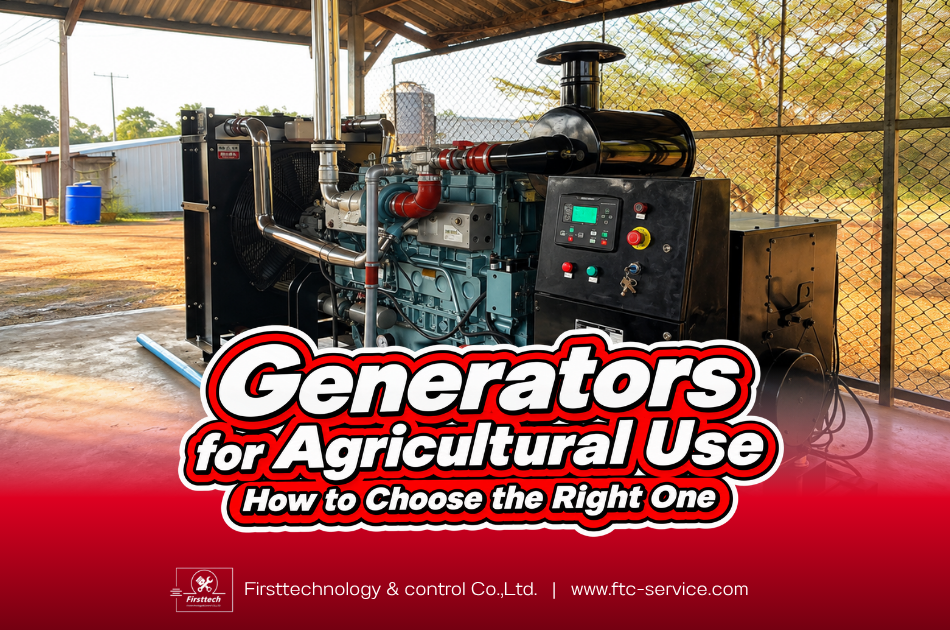
- Diesel Generators Diesel generators are the most popular choice in industrial sectors because of their durability, fuel efficiency, and ability to operate continuously for long periods. They provide strong torque and are ideal for heavy-duty factory operations.
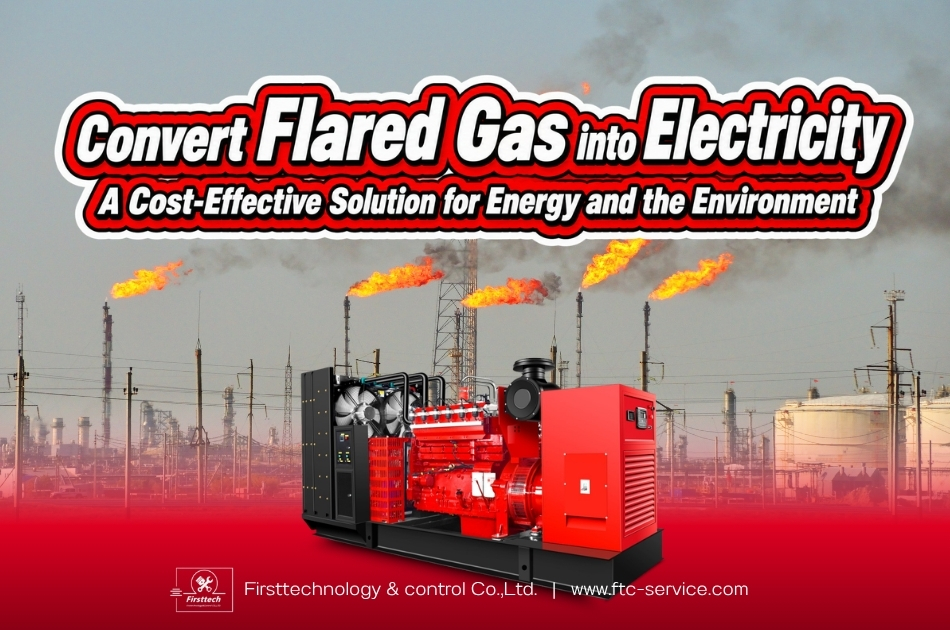
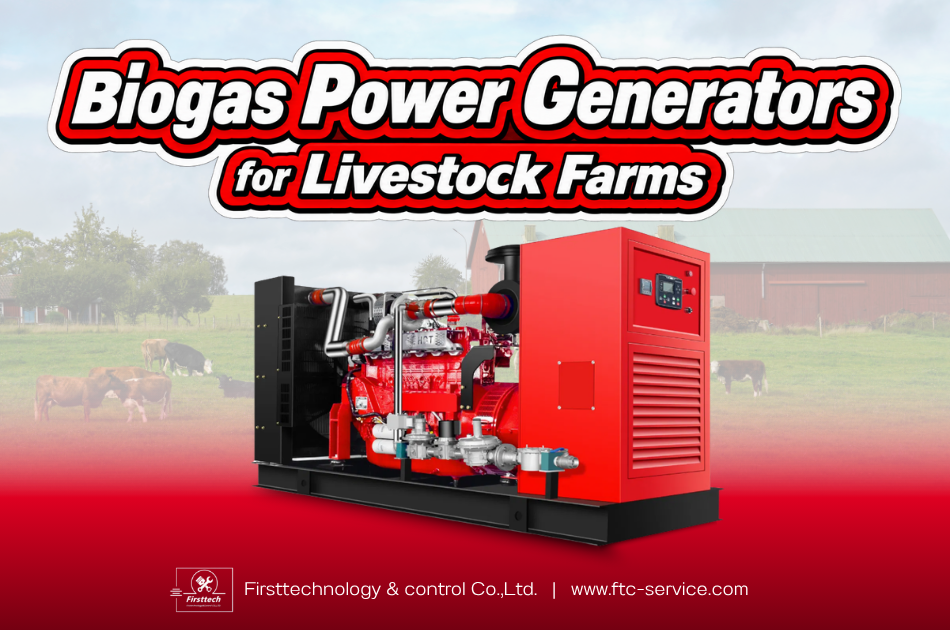
- Gas Generators Gas-powered generators produce less smoke and noise compared to diesel systems. They are energy-efficient and suitable for factories seeking environmentally friendly solutions and reduced air pollution.
- Hybrid Generators with Solar Energy Systems Hybrid systems combine solar power with traditional generators to reduce electricity costs and support sustainable “Green Industry” initiatives. These systems are increasingly popular among businesses aiming to lower energy consumption and carbon emissions.
Generator Sizes and How to Choose the Right One
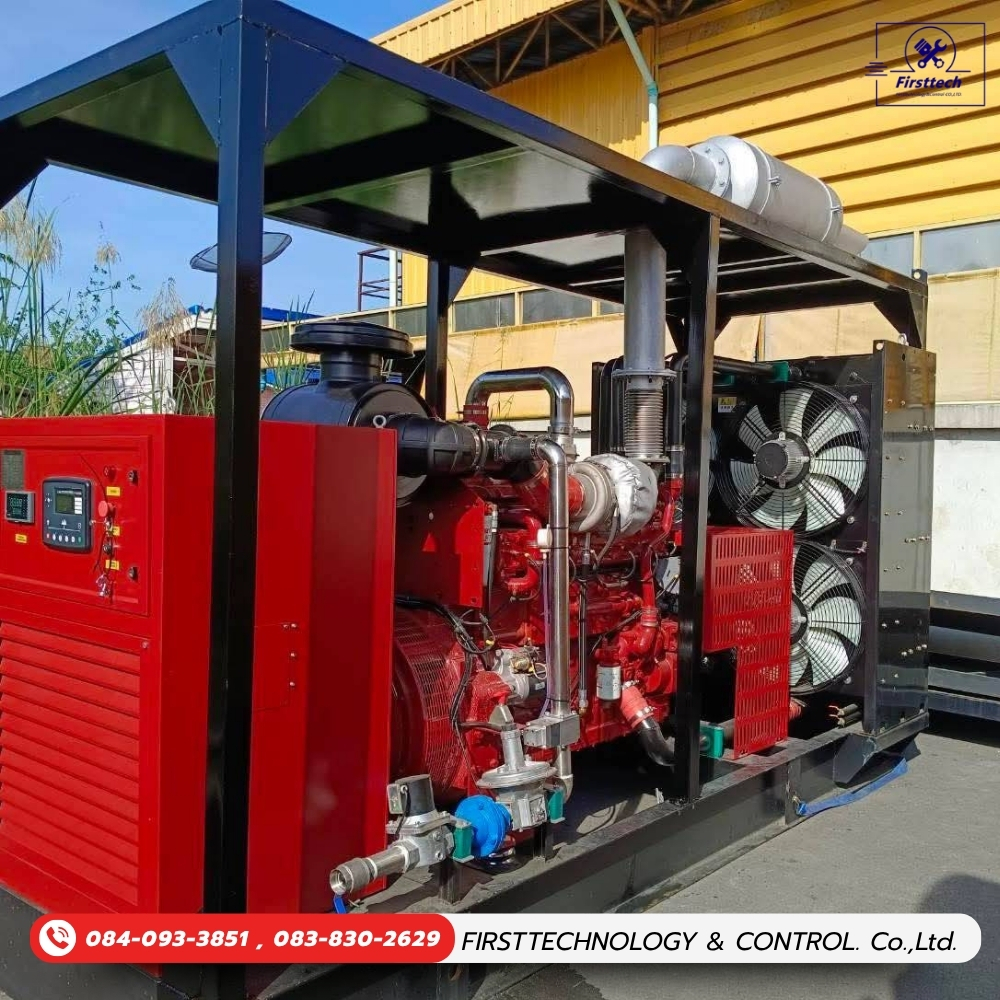
Choosing the correct generator size is extremely important for industrial applications. A generator that is too small will operate under excessive load and wear out quickly, while an oversized generator increases fuel consumption and unnecessary investment costs.
Generator capacity is typically measured in kilovolt-amperes (kVA) or kilowatts (kW), depending on the electrical load requirements.
Small Generators (10–60 kVA)
Suitable for offices, small factories, and warehouses. Commonly used to power lighting systems, security cameras, and essential equipment.
Medium Generators (75–300 kVA)
Ideal for medium-sized factories such as machining workshops, printing facilities, and food processing plants. Often used as automatic standby power systems.
Large Generators (400–1,500 kVA or More)
Designed for large industrial facilities such as steel factories, petrochemical plants, and large-scale food processing factories. These generators can support entire production lines and PLC automation systems.
Guidelines for Choosing the Right Factory Power Generator
- Evaluate Actual Power Load Calculate the total electrical demand of all machinery, motors, and equipment that will operate simultaneously.
- Plan for Future Expansion It is recommended to reserve at least 20–25% additional capacity for future machinery upgrades or factory expansion.
- Consider Fuel Type Factories located in urban areas or limited spaces may benefit from gas generators due to lower noise and emissions.
- Choose an Automatic Transfer Switch (ATS) An ATS system automatically starts the generator when a power outage occurs, improving safety and operational convenience.
- Select a Reliable Brand with Local Service Support Choosing a generator brand with local maintenance centers and spare parts availability ensures long-term reliability and easier servicing.
Approximate Generator Sizing Formula
Generator Size (kVA)=(Total Load (kW) ÷ 0.8)×1.25
- 0.8 represents the average Power Factor (PF) commonly used in industrial machinery.
- 1.25 represents additional capacity allowance for motor startup and load expansion.
Example Calculation
If a factory has a total machinery load of 200 kW:
(200 ÷ 0.8) × 1.25 = 312.5 kVA
In this case, the recommended generator size would be approximately 315–350 kVA to ensure efficient and stable operation.
Conclusion
Factory power generators are available in various sizes ranging from 10 kVA to over 1,500 kVA, depending on the energy demands of the facility. These systems play a critical role in preventing damage caused by electrical failures and ensuring continuous, safe industrial operations.
Selecting the right generator size, choosing the appropriate fuel type, and working with experienced installation professionals can significantly reduce operational risks, improve efficiency, and maximize long-term investment value.
If you are looking for high-quality factory power generators along with complete installation and maintenance services, consider First Technology and Control — a trusted industrial electrical system consultant for modern businesses.