Cummins Generator: Choose the Right Size for Maximum Efficiency
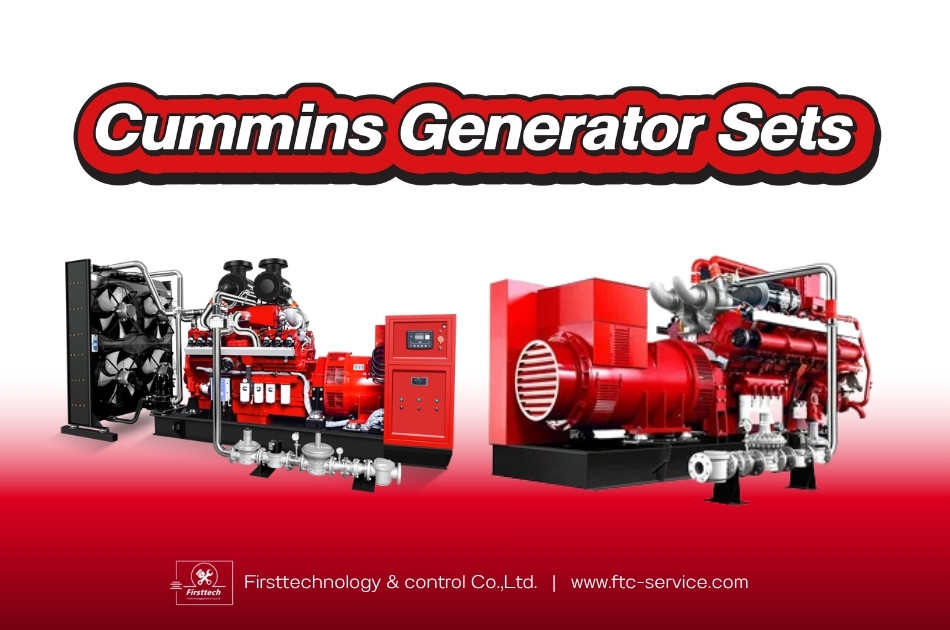
A Cummins Generator is a globally recognized diesel engine and power generator brand from the United States. Founded in 1919 in Columbus, Indiana, Cummins has expanded its manufacturing plants and service centers to more than 190 countries worldwide, including Thailand.
Cummins generators are alternating current (AC) power generators typically powered by diesel engines, although alternative fuel systems are also available. Cummins engines are well known for their durability, high efficiency, and long operational lifespan, making them suitable for a wide range of industrial applications.
These generators can operate as both:
- Standby Power Systems
- Prime or Continuous Power Systems
This flexibility makes Cummins generators ideal for factories, hotels, hospitals, commercial buildings, warehouses, data centers, and large-scale industrial projects.
Types of Cummins Generators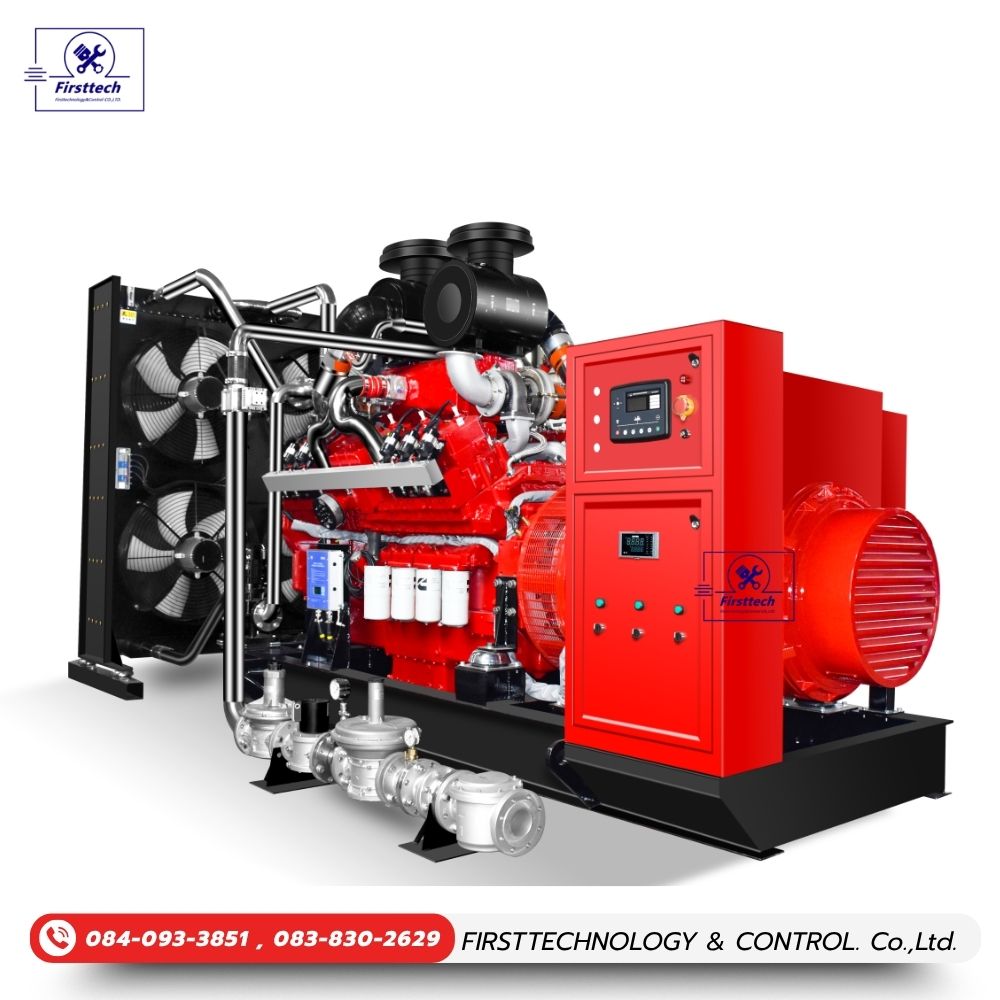
Cummins generators can be categorized based on their primary usage applications.
1. Standby Power
Standby generators are designed to provide backup electricity during power outages. They are ideal for hotels, office buildings, and residential properties.
Key advantages include:
- Automatic startup during power failure
- Automatic shutdown once utility power returns
- Reliable emergency power supply
2. Prime Power
Prime power generators are designed for continuous operation as the primary source of electricity, especially in areas without access to the utility grid.
Common applications include:
- Construction sites
- Remote locations
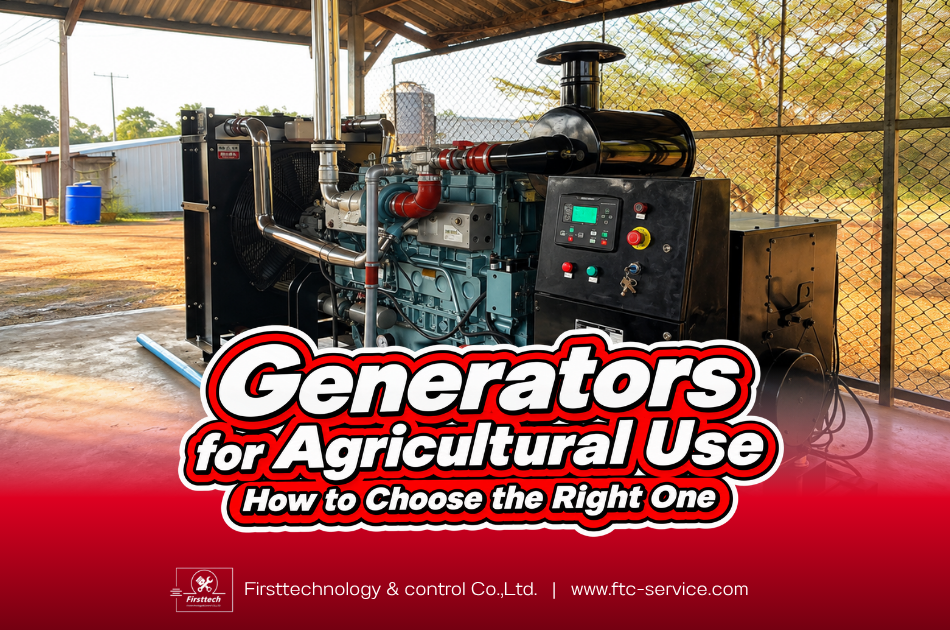
- Agricultural operations
These generators can operate for long hours without interruption.
3. Continuous Power
Continuous power generators are suitable for applications requiring a stable and constant electrical load over extended periods.
Typical applications include:
- Manufacturing plants
- Mining operations
- Water pumping systems
Cummins Generator Sizes and Applications
Cummins manufactures generators in a wide range of capacities, from small residential units to large industrial power systems.
| Generator Size (kVA) | Recommended Applications |
|---|---|
| 10–30 kVA | Homes, resorts, restaurants, small offices |
| 30–60 kVA | Warehouses, small factories, water treatment systems |
| 60–150 kVA | Hotels, office buildings, commercial facilities |
| 150–300 kVA |
Manufacturing plants, industrial warehouses |
| 300–1000+ kVA |
Large factories, mining sites, large-scale developments |
How to Choose the Right Cummins Generator Size

Choosing the correct generator size is extremely important. A generator that is too small will overload and wear out quickly, while an oversized generator can lead to unnecessary fuel consumption and higher investment costs.
Follow these steps to select the right generator.
Step 1: Calculate Your Electrical Load
List all electrical equipment that will operate using the generator, such as:
- Air conditioners
- Refrigerators
- Pumps
- Machinery
- Lighting systems
Then calculate the total power consumption in kilowatts (kW).
If the equipment rating is displayed in kVA, convert it using the formula below:
kW=kVA×Power FactorkW = kVA \times Power\ FactorkW=kVA×Power Factor
Typically, the Power Factor (PF) is approximately 0.8.
You should also add an extra 10–20% capacity to handle peak loads safely.
Example
If the total electrical load is 10 kW:
- Add 20% reserve capacity
- Total required power becomes 12 kW
- Recommended generator size: Cummins 12–15 kW
Step 2: Determine the Type of Usage
Different applications require different generator operating modes.
| Usage Type | Description |
|---|---|
| Standby Power | Backup electricity during outages |
| Prime Power | Main electricity source for continuous use |
| Continuous Power | 24-hour constant operation |
For example:
- A residential backup system may only require a 5 kW generator
- A construction site may require 10–15 kW or more for continuous operation
Step 3: Select the Appropriate Generator Capacity
After calculating your total load and reserve margin, choose a generator slightly larger than your actual requirement.
|
Total Load |
+20% Reserve |
Recommended Generator |
|---|---|---|
| 4 kW | 5 kW | Cummins 5 kW |
| 8 kW | 10 kW | Cummins 10 kW |
| 12–13 kW | 15 kW | Cummins 15 kW |
Avoid choosing a generator that is too small, as it may:
- Overwork the engine
- Increase fuel consumption
- Shorten equipment lifespan
At the same time, avoid excessive oversizing to reduce unnecessary installation and operating costs.
Step 4: Check Technical Specifications
Before purchasing a generator, verify the following technical details:
- Electrical frequency (Thailand uses 50 Hz)
- Voltage system (380/220V or 400/230V)
- Cooling and ventilation system
- Noise level during operation
- Automatic Transfer Switch (ATS) capability for standby systems
Real Calculation Example
Suppose a factory has a total electrical load of 300 kW with multiple machines operating simultaneously.
If the Power Factor is 0.8:
300÷0.8=375 kVA
in this case, the recommended generator size would be approximately 400 kVA.
If future factory expansion is expected, choosing a larger generator in the range of 450–500 kVA would provide better long-term flexibility.
However, if the generator is intended only for backup power to essential systems, a smaller 300–350 kVA unit may be sufficient.
Another example:
If your total load equals 10 kW:
- Add 20% reserve capacity → 12 kW
- Recommended size → Cummins Generator 15 kW
Professional Tips for Choosing a Generator
- Select a generator slightly larger than your actual power requirement
- Always verify voltage and frequency compatibility
- Choose a Silent Type Generator for residential or office installations
- Install an Automatic Transfer Switch (ATS) for automatic startup during outages
- Work with experienced generator specialists for installation and maintenance
Choose the Right Cummins Generator for Your Needs
Choosing the right generator is not only about selecting a trusted brand. It also involves selecting the proper generator size based on actual electrical load, usage type, installation environment, and electrical system requirements.
A Cummins Generator is an excellent solution for users seeking:
- High durability
- Fuel efficiency
- Stable performance
- Long-term reliability
Whether for residential backup power, commercial buildings, industrial facilities, or construction projects, Cummins generators provide dependable performance when it matters most.