What Energy Does a Biogas Generator Use? Turning Waste into Usable Electricity
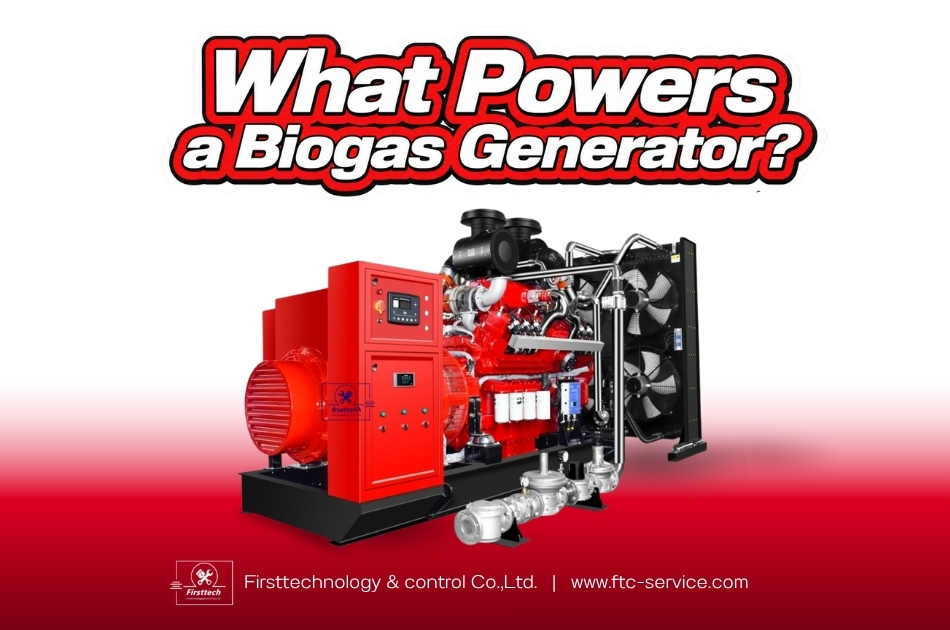
The answer is: a biogas generator uses biogas as its energy source.
Biogas is produced through the decomposition of organic matter by microorganisms under oxygen-free conditions, a process known as Anaerobic Digestion. The resulting gas mainly consists of:
- Methane (CH₄), approximately 50–70%
- Carbon dioxide (CO₂)
- Water vapor
- Hydrogen sulfide (H₂S)
- Small amounts of other gases
After the biogas has undergone a gas treatment and purification process, the methane-rich gas is supplied to the generator engine. The engine converts the chemical energy in the gas into mechanical energy, which drives the generator to continuously produce electricity for practical use.
What Are the Main Sources of Biogas?
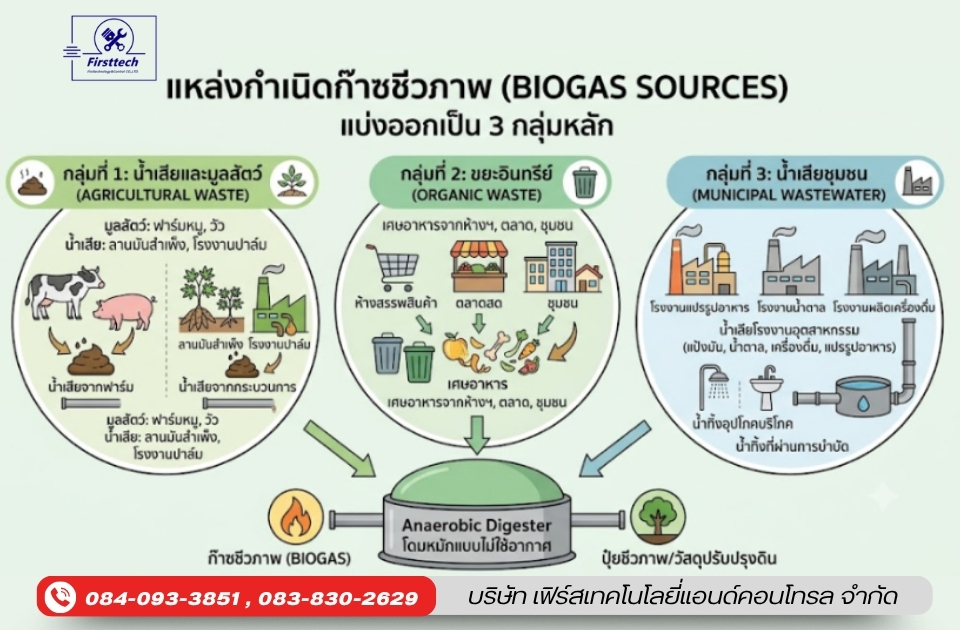
Biogas feedstocks can generally be divided into three main groups:
- Agricultural Waste and Animal Manure
This includes wastewater from cassava processing facilities, palm oil mills, as well as manure from pig farms, cattle farms, and other livestock operations. - Organic Waste
Organic waste includes food scraps and biodegradable waste generated by shopping centers, fresh markets, restaurants, communities, and other facilities. - Municipal and Industrial Wastewater
Many types of industrial facilities can produce biogas from wastewater, including food processing plants, sugar mills, cassava starch factories, beverage factories, and palm oil mills. Municipal wastewater and wastewater generated from daily consumption can also be treated through biogas systems. Because these wastewater streams contain high levels of organic matter, they can be suitable feedstocks for biogas production.
How Does a Biogas Generator Work?
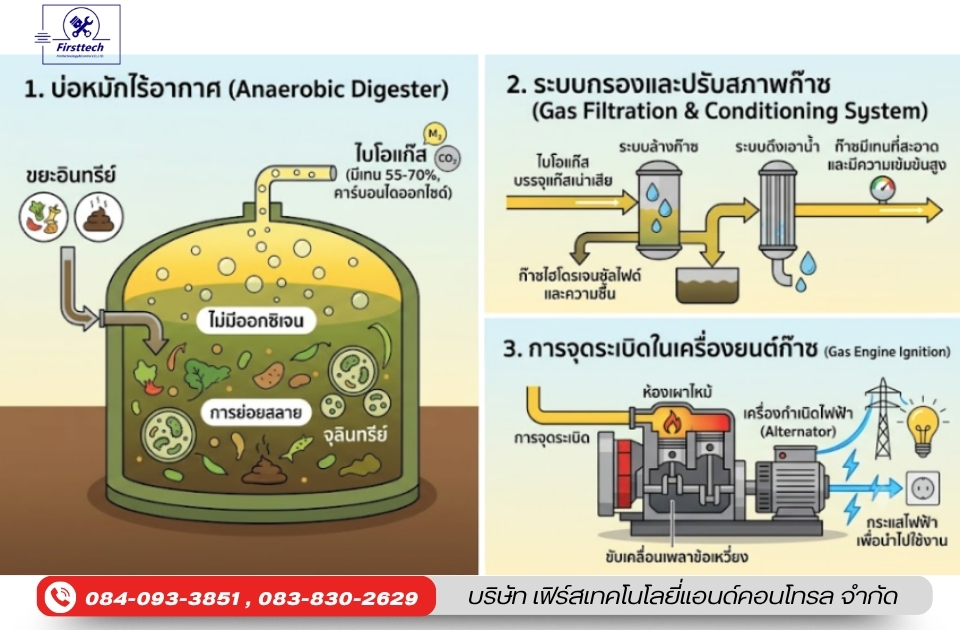
Electricity generation from biogas can be explained in three main steps:
- Anaerobic Digester
Organic waste is fed into a sealed digester where oxygen is absent. Microorganisms break down the organic matter and produce biogas. The resulting gas typically contains approximately 55–70% methane, along with carbon dioxide and small amounts of other gases. - Gas Treatment and Purification System
Raw biogas cannot normally be supplied directly to a generator engine because contaminants such as hydrogen sulfide and moisture can cause serious corrosion and damage to metal components. The gas must therefore pass through a filtration, scrubbing, and moisture-removal system before it is supplied to the engine. This process improves gas quality and provides cleaner, methane-rich fuel for power generation. - Gas Engine Ignition and Electricity Generation
Once treated, the methane-rich gas is supplied to the combustion chamber of the biogas generator engine. Combustion produces mechanical force that drives the crankshaft. The connected alternator then converts this mechanical rotational energy into electrical energy for use within the facility or electrical system.
Who Should Consider Using a Biogas Generator?
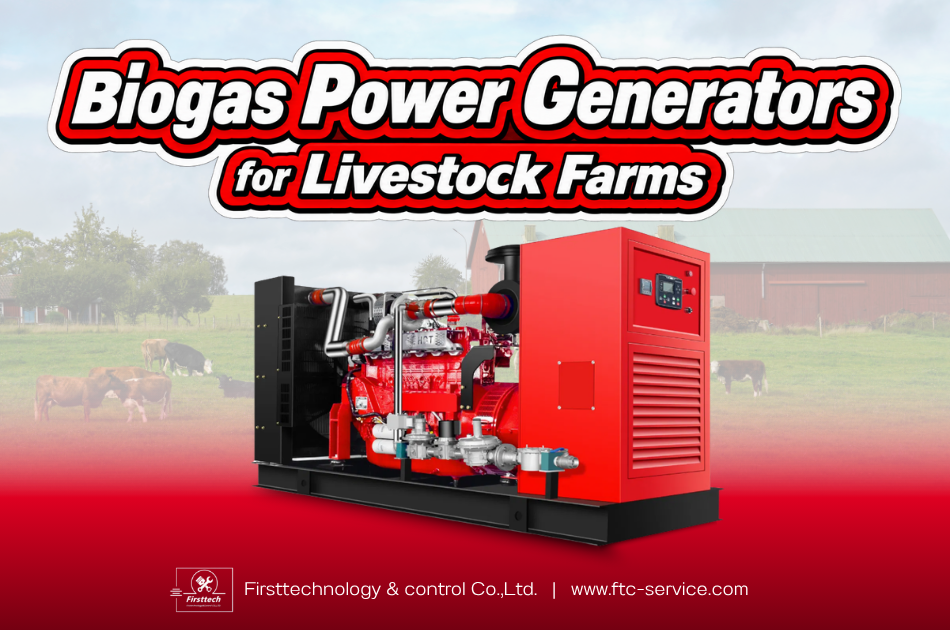
- Livestock farms that generate large amounts of animal manure every day, such as pig farms, poultry farms, dairy farms, and cattle farms.
- Food processing and industrial plants that generate substantial volumes of wastewater or organic residues.
- Large hotels and resorts looking to combine organic waste management with on-site electricity generation.
- Facilities requiring a reliable power supply, particularly in areas where the main electricity grid is unstable.
How to Choose the Right Biogas Generator
Before investing in a biogas generator, four key factors should be carefully considered:
- Actual Gas Volume and Gas Quality
The generator engine must be properly sized according to the actual amount and quality of biogas available. Selecting a generator based only on its kVA rating may lead to inefficient operation or insufficient fuel supply. - Control System and Generator Control Panel
Important components may include a Generator Control Panel, ATS Controller, AVR, synchronization system, and SCADA Online system. These systems allow operators to monitor and control generator performance in real time. - Reliable Spare Parts Availability
For major engine brands such as Cummins, Caterpillar (CAT), Perkins, Volvo, and Mitsubishi, access to replacement parts is essential. Reliable spare parts support helps reduce downtime and keeps the generator operating efficiently. - After-Sales Service
Biogas generators are often designed to operate continuously or for extended periods, sometimes nearly 24 hours a day. Without an experienced technical team to maintain the system, a minor problem can develop into a major failure that may stop the entire power generation process.
Looking for a Biogas Generator System Designed for Real Operating Conditions? Choose a Full-Service Specialist
Investing in a biogas generator delivers the best results when the system is designed according to the actual volume and quality of available biogas, as well as the specific operating requirements of the facility.
If you are looking for a specialist that can provide services from site inspection, system design, manufacturing, installation, and commissioning to after-sales support, First Technology & Control Co., Ltd. (FTC Service) provides comprehensive biogas power generation solutions.
FTC Service offers generator systems with power capacities ranging from 20 kW to 2,000 kW, supported by an experienced engineering team specializing in electrical systems, control systems, and maintenance services.
The company also provides generator upgrades, repairs, and overhaul services for various generator models, helping ensure that each system can operate efficiently, reliably, and cost-effectively throughout its service life.