PM MAINTENANCE What Is Preventive Maintenance for Generators and Why Is It Important for Businesses?
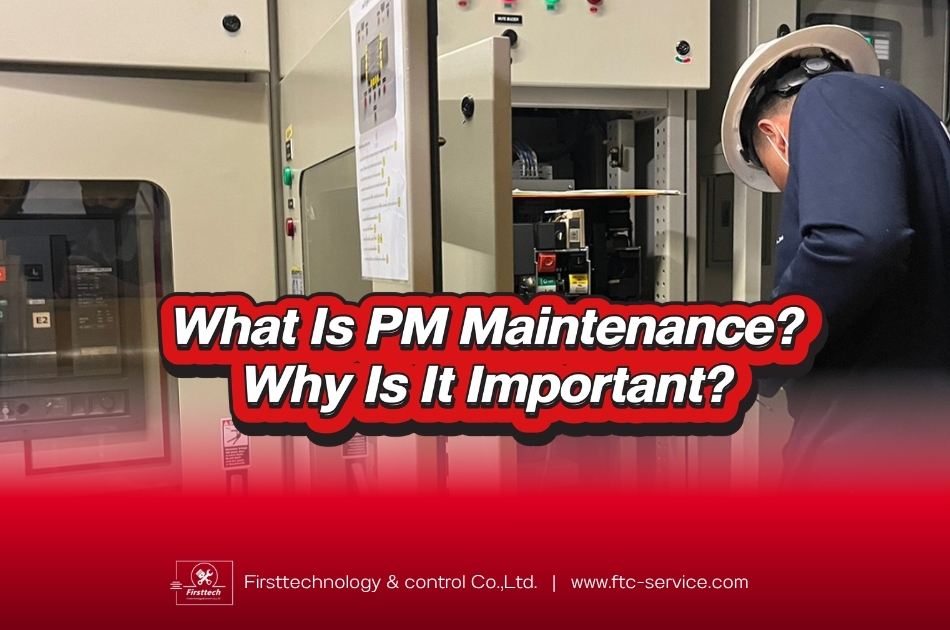
PM Maintenance, or Preventive Maintenance, refers to a proactive maintenance process that involves scheduled inspections, repairs, and replacement of components based on time intervals or operating hours. The goal is to prevent equipment failure or unexpected downtime before serious issues occur.
The core concept of PM is “repair before failure.” This maintenance strategy helps reduce the risk of major problems and ensures that equipment continues operating efficiently and reliably.
For a Generator, which serves as a critical backup power source for factories, office buildings, hospitals, and many other businesses, PM Maintenance is extremely important. Although generators are not always in use, they must be ready to operate immediately during a power outage.
Why PM Maintenance Is Important for Generators
Generators play a vital role in maintaining electrical continuity, especially during emergencies. Without proper maintenance, the system may fail at the most critical moment. Preventive maintenance offers several key benefits:
1. Reduces the Risk of Unexpected Breakdown
Neglecting generator maintenance may cause the equipment to fail during a power outage, potentially leading to severe business disruption.
2. Extends Equipment Lifespan
Regular inspections and timely replacement of worn components help reduce wear and tear, significantly extending the generator’s service life.
3. Lowers Long-Term Costs
Preventive maintenance is generally far less expensive than repairing major failures, which may require replacing critical parts or the entire system.
4. Improves Operational Reliability
A properly maintained generator has a higher level of readiness and reduces the risk of electrical interruptions.
Key Components of Generator PM Maintenance
PM Maintenance for generators involves more than just basic inspections. It should cover all critical systems to ensure the generator remains ready for operation at all times.
1. Engine System
- Inspect and replace engine oil
- Check oil and air filters
- Inspect for fuel or oil leakage
2. Electrical System
- Inspect battery condition and voltage
- Check wiring, connections, and control panels
- Test the starting system
3. Cooling System
- Check coolant levels
- Inspect the radiator and cooling fan
4. Fuel System
- Inspect fuel quality
- Clean fuel tanks and fuel filters
5. Load Testing
- Test actual power output
- Verify electrical stability and load capacity
These maintenance procedures help detect problems early before they develop into serious damage.
5 Main Steps in Generator PM Maintenance
An effective preventive maintenance plan should include the following five major systems:
1. Engine and Lubrication System
The engine handles the heaviest workload. Inspecting the engine oil (Lube Oil) for both quantity and cleanliness is essential. Dirty or highly viscous oil can reduce lubrication efficiency. Maintenance should also include checking for oil leaks around seals and replacing oil filters according to service intervals.
2. Fuel System
Diesel fuel stored for long periods may develop sediment or moisture, which can clog fuel injectors. PM Maintenance should include checking fuel levels in reserve tanks, inspecting fuel filters, and ensuring fuel lines are not cracked or deteriorated.
3. Cooling System
Heat is one of the biggest threats to machinery. Coolant levels, radiator condition, and fan belt tension should all be inspected regularly to prevent engine overheating during operation.
4. Electrical System and Battery
Statistics show that over 80% of generator startup failures are caused by battery deterioration. PM Maintenance should include voltage testing, checking electrolyte levels, tightening battery terminals, and inspecting the control panel to ensure it functions properly.
5. Air Intake and Exhaust System
Air filters should be checked for dust buildup, as clogged filters reduce combustion efficiency and increase fuel consumption. Exhaust pipes should also be inspected for leaks or unusual noise.
How Often Should PM Maintenance Be Performed?
To ensure effective generator maintenance, organizations should establish a clear maintenance schedule.
Weekly
- Check fuel and coolant levels
- Perform a no-load test for approximately 10–15 minutes
Monthly
- Inspect battery condition
- Check belt tension
- Clean and inspect control panels
Every 6 Months or 250 Operating Hours
- Replace engine oil
- Change oil filters and fuel filters
Annually
- Clean the cooling system
- Perform a detailed electrical inspection
- Conduct a load test to confirm actual power capacity
Using Technology in PM Maintenance (Digital Maintenance)
Today, PM Maintenance is no longer limited to manual paperwork. Many organizations now implement CMMS (Computerized Maintenance Management Systems) to automate maintenance scheduling and notifications.
In addition, IoT sensors are increasingly used to monitor temperature, vibration, and operating conditions in real time. This technology helps businesses move from traditional preventive maintenance toward more advanced Condition-Based Maintenance (CBM) with greater accuracy and efficiency.
Conclusion: Prevention Is Better Than Repair
PM Maintenance for generators should not be viewed as an unnecessary expense, but rather as an investment in operational reliability and business continuity.
A well-planned maintenance program, high-quality spare parts, and experienced technicians will ensure that your generator is always ready to perform during emergencies.
If your organization still does not have a clear PM Maintenance plan, now is the best time to start creating a proper inspection and maintenance schedule. Shifting from “repairing after breakdown” to “professional prevention” can help protect your business from costly downtime and unexpected failures.
Q&A: Frequently Asked Questions About PM Maintenance
Q: How often should generator PM Maintenance be performed?
A: Basic inspections should be carried out weekly, while in-depth preventive maintenance should be performed every 3–6 months or based on operating hours.
Q: If the generator is rarely used, is PM still necessary?
A: Absolutely. Generators that remain unused for long periods can still develop issues such as battery deterioration and fuel degradation.
Q: Can PM Maintenance be performed without professional technicians?
A: Basic tasks such as checking oil levels can be done independently, but in-depth inspections and maintenance should be handled by experienced professionals.