
Corrective Maintenance for Generators Troubleshooting and Basic Repair Guide
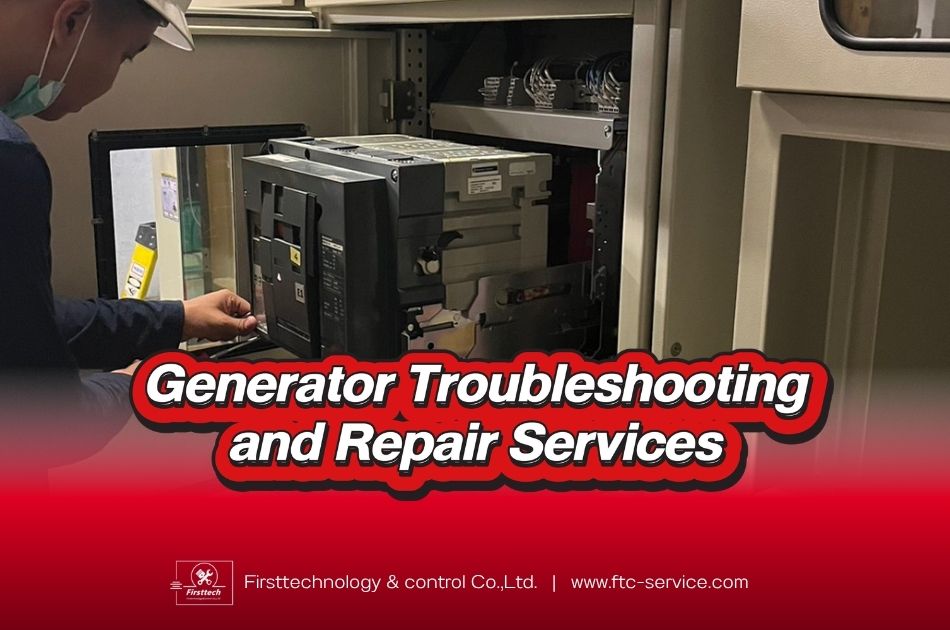
Corrective Maintenance is the process of repairing a generator after abnormalities or alarm notifications have been detected. The primary focus is on identifying the root cause of the problem and applying targeted solutions to restore the generator to normal operation. Unlike Preventive Maintenance, which focuses on preventing issues before they occur, corrective maintenance addresses faults that have already appeared in the system.
Benefits of Proper Corrective Maintenance
- Fast and Targeted Repairs Problems can be diagnosed and resolved immediately, reducing unnecessary delays.
- Reduced Downtime Helps backup power systems return online as quickly as possible, minimizing operational interruptions.
- Prevents Further Damage Fixing small issues early helps prevent major component failures and costly repairs.
- Extends Equipment Lifespan A properly functioning system improves the lifespan of both the engine and alternator.
8 Common Generator Problems and How to Fix Them
When a generator develops issues, warning signs usually appear through the control system or physical symptoms.
1. Engine Fails to Start
Possible Causes
- Weak or damaged battery
- Loose or corroded battery terminals
- Faulty starter motor
- Air trapped in the fuel system
Recommended Solutions
- Check battery voltage using a multimeter
- Clean battery terminals
- Inspect the starter relay and starting system
2. No Voltage Output
Possible Causes
- Faulty Automatic Voltage Regulator (AVR)
- Main Circuit Breaker (Main CB) tripped
- Problems with stator or rotor windings
Recommended Solutions
- Inspect or replace the AVR
- Reset and inspect the breaker
- Perform insulation resistance testing on windings
3. Unstable Voltage
Possible Causes
- Incorrect AVR settings
- Unbalanced electrical load between phases
- Engine speed fluctuation
Recommended Solutions
- Adjust AVR Gain and Stability settings
- Balance electrical loads properly
- Inspect the governor system
4. Generator Overheating
Possible Causes
- Low coolant level
- Clogged radiator
- Loose fan belt
- Faulty temperature sensor
Recommended Solutions
- Refill coolant to the proper level
- Clean the radiator core
- Inspect thermostat operation
5. Unexpected Shutdown During Operation
Possible Causes
- Low or contaminated fuel
- Clogged filters
- Protection system activated due to abnormal readings such as low oil pressure
Recommended Solutions
- Check fuel quality and fuel level
- Replace air and fuel filters
- Review fault logs on the controller display
6. Abnormal Exhaust Smoke
Black Smoke
Indicates incomplete combustion caused by overload conditions or clogged air filters.
White Smoke
Usually caused by water contamination in fuel or extremely cold engine conditions.
Blue Smoke
Indicates engine oil entering the combustion chamber.
Recommended Solutions
- Inspect fuel injectors
- Replace air filters
- Check engine oil levels
7. Abnormal Noise or Vibration
Possible Causes
- Worn bearings
- Loose mounting bolts
- Internal engine damage
Recommended Solutions
- Tighten all mounting points
- Replace bearings according to maintenance intervals
- Contact qualified technicians for internal inspection
8. Control Panel Malfunction
Possible Causes
- Damaged controller circuit board
- Loose signal wiring
- Electrical interference
Recommended Solutions
- Inspect all wiring connections
- Reset the control system
- Update controller software if necessary
4 Professional Steps for Generator Troubleshooting
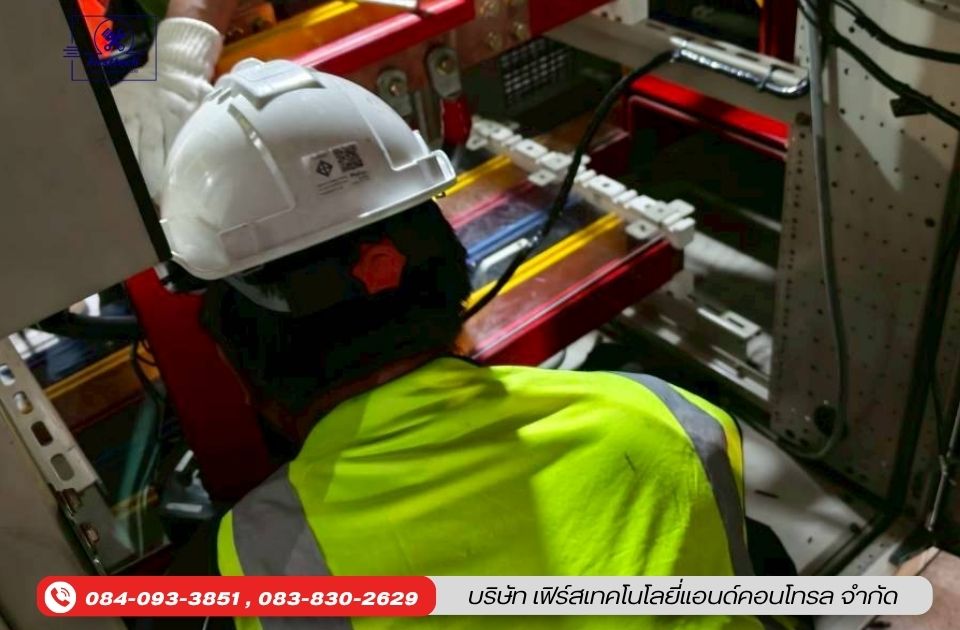
To ensure efficient and accurate repairs, technicians should follow these professional troubleshooting steps
1. Observation Collect information from the controller display, check error codes, and observe physical abnormalities such as burning smells, unusual sounds, or leaks.
2. Diagnosis Use electrical and mechanical measuring tools such as
- Multimeter
- Clamp Meter
- Infrared Thermometer
These tools help identify malfunctioning components accurately.
3. Corrective Action Repair or replace defective parts according to OEM (Original Equipment Manufacturer) standards.
4. Testing Perform both No-Load and Full-Load testing to ensure the generator operates reliably and stably before returning it to service.
Conclusion
Corrective Maintenance is not simply about repairing a generator after failure. It is about restoring confidence that the backup power system will operate immediately during a power outage.
Understanding the basic symptoms of generator problems helps building managers and business owners coordinate quickly with professional technicians, reducing operational risks and minimizing potential business losses.